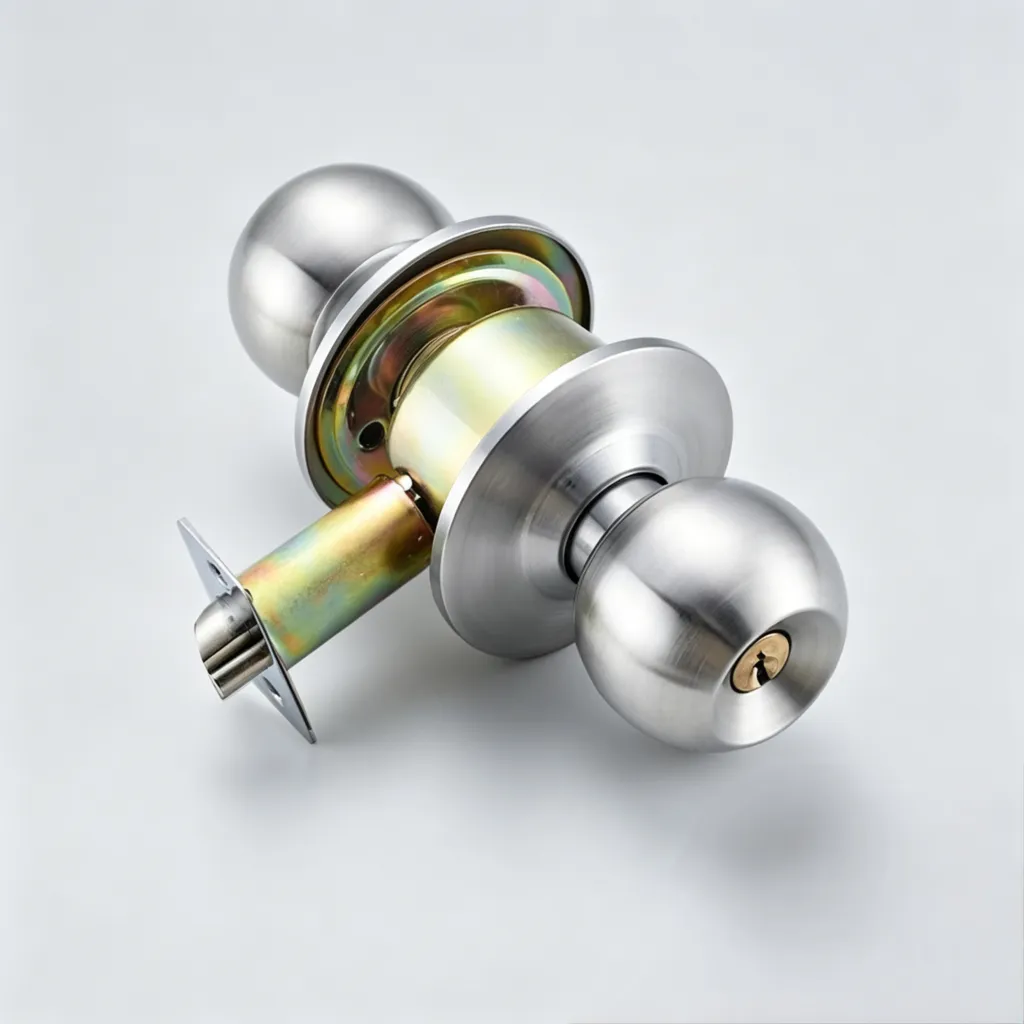
If you are searching for reliable overseas project cylindrical lock hardware for export, you must have noticed a strange thing in this industry.
Two door locks can look exactly the same. Same shape, same finish, same installation size. Even many local buyers cannot tell the difference at first glance.
However, after being installed in apartments, hotels, and residential projects overseas, their performance varies hugely.
One type can work smoothly for many years, while the other starts to get stuck, loose, or rusty within just a few months.
Many importers blame installation quality or local weather. But honestly, after years of exporting locks to Africa, South America, and Southeast Asia, I can tell you the real reason.
The difference is never from the outer appearance. It hides inside the lock’s material, internal structure, and production tolerance — details that cheap factories deliberately cut off to lower prices.
Cheap Locks Focus on Appearance, Export-Grade Locks Focus on Stability
Most low-cost cylindrical locks on the market only pursue a similar look.
Factories use recycled alloy materials and thin electroplating layers. These materials are okay for short-term display, but they cannot stand long sea shipping, high humidity, big temperature differences, and high-frequency daily use.
In container shipping, locks face closed, humid environments. Poor plating easily causes oxidation and tiny rust spots. After installation, the internal alloy core oxidizes slowly, leading to key jamming and loose rotation.
For overseas project business, this is extremely risky.
Project buyers care more about after-sales problems than the unit price. One batch of problematic locks will cause user complaints, maintenance costs, and even damage the buyer’s local reputation.
The Real Core Difference: Internal Structure and Material Tolerance
What makes export-quality locks more durable?
It is not complicated marketing technology. It is basic production honesty.
Quality locks adopt solid copper cylinders with stable oxidation resistance. The internal springs and accessories are assembled with strict tolerance control. Every opening and closing movement is smooth and consistent.
That is why good locks still feel tight and fluent after tens of thousands of uses.
Cheap locks use loose internal fitting. They feel fine at the beginning, but the spring elasticity fades quickly. The lock becomes loose and unsmooth after several months of use.
Overseas Market Has Changed: Stability Beats Low Price
I have felt a clear change in export inquiries during the past two years.
More and more experienced importers no longer chase the lowest price blindly.
They have learned from losses. Ultra-cheap locks seem profitable at first, but they create endless after-sales trouble. In foreign countries, labor costs for replacement are extremely high, making low-cost lock orders actually lose money.
Today’s overseas hardware business relies on stable supply and reliable quality. Long-term cooperation always comes from consistent product performance.
If you are looking for reliable cylindrical locks for apartment renovation, hotel projects, or wholesale resale in harsh overseas environments, you can check our stable export model below.
We designed this lock specifically for long-distance sea shipping and high-frequency engineering use, with anti-rust plating and durable internal structure, greatly reducing after-sales risks for overseas distributors and project contractors.