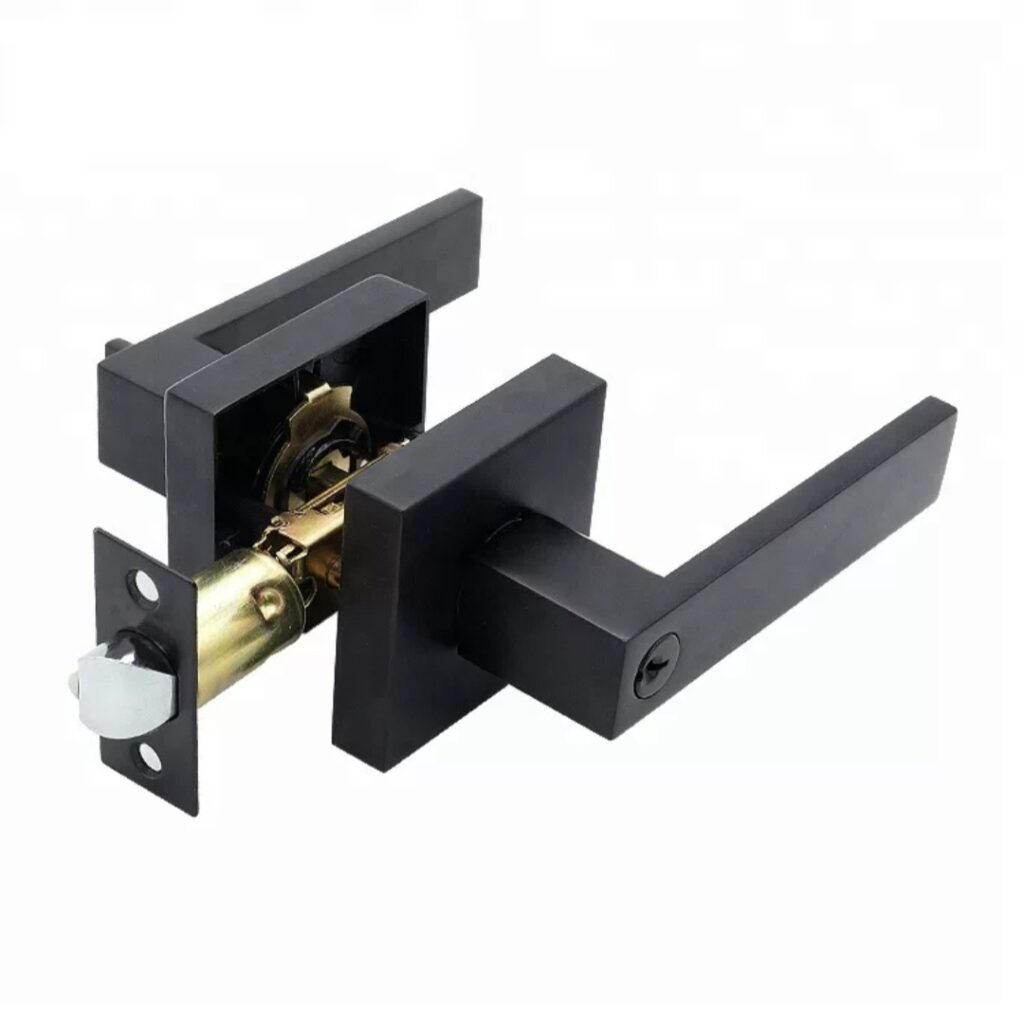
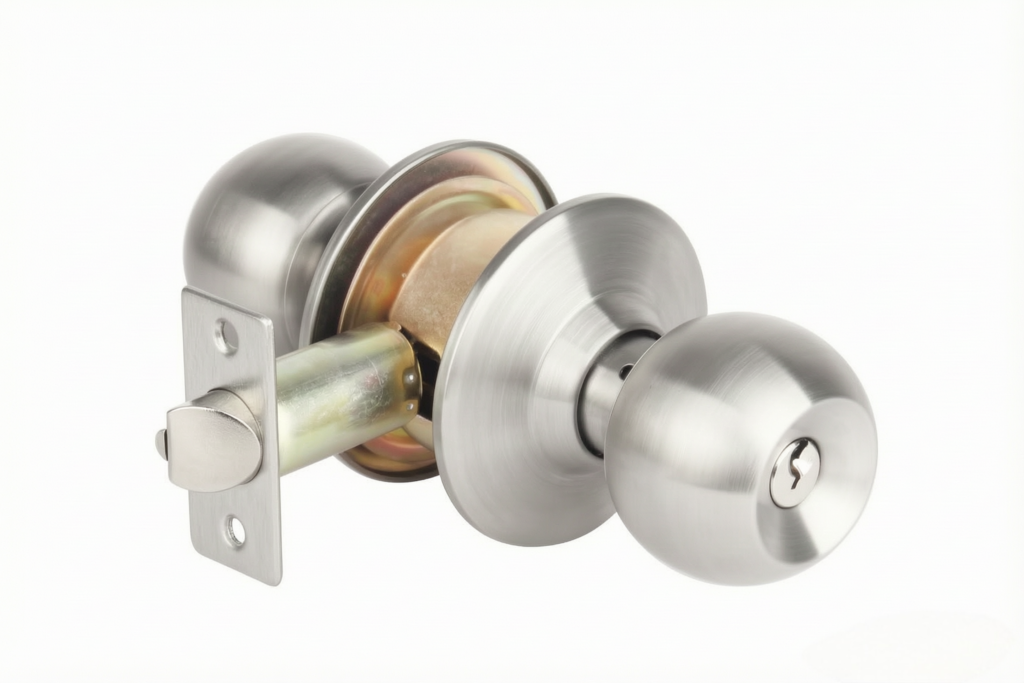
For overseas door hardware buyers, a successful first order is always encouraging.
The samples look good.
The finish is acceptable.
The locks work properly.
The packaging arrives without major problems.
But experienced importers know that one successful order does not always tell the whole story.
The more important question is:
Can the factory produce the same door lock quality consistently over the next several orders?
For wholesalers, distributors, importers and project buyers, consistency can be more important than getting an excellent first batch.
A door lock that looks perfect in one shipment but changes slightly in the next shipment can create problems with customer complaints, product replacement, installation and inventory management.
This is one of the reasons experienced B2B buyers look beyond samples when evaluating a door lock factory.
- A Good Sample Does Not Automatically Mean Consistent Production
A sample is usually produced and inspected under controlled conditions.
It may represent the product that the factory wants the buyer to see at its best.
However, bulk production involves many more pieces, production workers, components, assembly processes and quality-control checkpoints.
The real test is whether the factory can maintain the same standard when producing hundreds or thousands of locks.
For example, buyers may receive a sample with:
●Consistent surface finishing
●Smooth knob or lever operation
●Correct backset
●Proper key function
●Good spring return
●Clean assembly
●Suitable packaging
The buyer approves the sample and places a bulk order.
The problem may appear several months later when another batch is produced.
The finish may look slightly different.
The operating feel may change.
The key may fit differently.
The packaging may be changed without clear communication.
None of these problems necessarily mean the factory cannot produce the product.
They may indicate that the factory has not established sufficient production consistency.
- Consistency Is About More Than Product Appearance
When buyers talk about consistent quality, they sometimes focus mainly on appearance.
For door hardware, consistency goes much further.For B2B buyers, this is why clearly defined door lock specifications are so important before bulk production begins.
A reliable production standard may include:
●Material specifications
●Component dimensions
●Door thickness range
●Backset
●Spring performance
●Latch movement
●Key compatibility
●Surface treatment
●Assembly quality
●Packaging
●Product labeling
A lock can look almost identical to a previous batch while still having differences that matter during installation or use.
This is particularly important for distributors.
A distributor may sell the same model repeatedly to different customers.
If the product specification changes from one shipment to another, the distributor may have to answer questions that should never have existed in the first place.
- Small Production Changes Can Create Large B2B Problems
In a factory environment, small changes can sometimes appear harmless.
For example, a component may be replaced with another component that appears similar.
A different plating process may produce a slightly different finish.
A packaging material may be changed because the original material is temporarily unavailable.
A supplier of one component may change.This is why buyers should evaluate the factory’s production and quality-control process before committing to a large order. Before paying the deposit, it is worth understanding [what a door lock factory should prove before you pay a bulk order deposit].
For a single consumer purchase, these differences may not seem important.
For a B2B buyer ordering thousands of units, they can become a serious issue.
Imagine a distributor has already sold one model to several customers.
The first shipment has a specific appearance and operating feel.
Six months later, the second shipment looks slightly different.
Customers may immediately ask:
“Is this the same product?”
The distributor then has to explain the difference, even though the factory may consider it a minor change.
This is why production consistency should be discussed before a long-term purchasing relationship begins.
- Experienced Buyers Ask What Happens Between Orders
A professional buyer does not only ask:
“Can you make this lock?”
They also want to know:
“How will you make sure the next order is the same?”
This is a much more important question for repeat purchasing.
A reliable factory should have a clear understanding of the approved product specifications and production requirements.
A reliable factory should have a clear understanding of the approved product specifications and production requirements. For repeat orders, buyers should also check whether any details have changed since the previous order.
For example, important information may be recorded for future orders, including:
●Approved product model
●Material requirements
●Finish
●Backset
●Door thickness
●Key configuration
●Packaging requirements
●Carton information
●Labels
●Special OEM requirements
For long-term B2B purchasing, buyers should also consider whether the factory can provide door lock spare parts when replacement components are needed for future orders or after installation.
This information becomes a reference for future production.
Without a clear production reference, every new order can become an opportunity for unnecessary changes.
- Why Repeat Orders Are a Real Test of a Factory
The first order can show whether a factory can produce a product.
Repeat orders show whether the factory can maintain a production standard.Before judging consistency across repeat orders, buyers should first make sure the approved sample has been checked as a working product. A practical functional check can help identify obvious operating issues before a bulk order begins. See our guide: How to Check Door Lock Function Before a Bulk Order.
For buyers planning repeat door lock orders, the process after the initial purchase is just as important as the first production itself.
This difference is important.
For a long-term B2B customer, the factory relationship may continue for years.
The buyer may reorder the same lock several times.
The buyer therefore needs more than a factory that can produce one good shipment.
They need a manufacturer that understands:
The second order should not become a new experiment.
When the product specification has been confirmed, future production should follow the established requirements unless both sides agree to a change.
This is especially important for private-label products and OEM orders.
A distributor may have already invested in product promotion, packaging design, customer samples and inventory.
Unexpected changes can affect all of these areas.
- Good Communication Helps Protect Consistency
Production consistency is not only a factory problem.
Communication between the buyer and factory also matters.
For example, if a buyer changes the finish, packaging, key type or other specification, the change should be clearly confirmed before production.
This is particularly important when an order is repeated after several months.
The factory may still have an old production record, while the buyer may be working with an updated specification.
A simple confirmation before production can prevent unnecessary mistakes.
Professional B2B purchasing is therefore not just about placing an order.
It is about making sure both sides understand exactly what is being produced.
Clear communication should also be supported by proper quality control before shipment, especially when the order contains customized or repeat-production requirements.
- What Should B2B Buyers Check Before Reordering?
Before placing a repeat door lock order, buyers can review several basic points.
Product specification
Confirm that the product model, material, finish, backset and door thickness remain unchanged.
Components
Check whether important internal or external components have changed.
Surface finish
For products with visible finishes, confirm that the approved finish remains the same.
Packaging
Check carton quantity, individual packaging, labels and other packing requirements.
OEM requirements
If the product carries a buyer’s brand or customized packaging, confirm that all branding details remain correct.
Production reference
Make sure the factory has an updated specification or approved sample that can be used as a reference.
These checks do not need to make the purchasing process complicated.
They simply reduce the chance that an old order will be produced differently from what the buyer expects.
- Consistency Builds a Better Long-Term Business Relationship
For a B2B buyer, the value of a door lock factory is not only measured by the price of one shipment.
A reliable supplier should help the buyer maintain a stable product line.
When product quality and specifications remain consistent, several things become easier:
●Customer complaints can be reduced.
●Inventory becomes easier to manage.
●Installation problems can be minimized.
●Repeat orders become simpler.
●Product promotion can remain consistent.
●The buyer can build greater confidence in the supplier.
This is particularly valuable for wholesalers and distributors who sell the same door hardware models repeatedly.
A stable product is easier to sell than a product that changes unexpectedly from one shipment to another.
- What Experienced Importers Really Look For
After years of purchasing door hardware, experienced importers often stop looking at a factory only from the perspective of the first order.
They look at the bigger picture.
Can the factory understand specifications?
Can it maintain production standards?
Can it communicate when something needs to change?
Can it control quality before shipment?
Can it reproduce the same product when the buyer places the next order?
These questions are more difficult to answer than simply asking for a quotation.Ultimately, these are the questions that help buyers identify a reliable door lock factory for long-term cooperation.
But they can reveal much more about the long-term value of a supplier.
Final Thoughts
For overseas B2B door hardware buyers, the first order is only the beginning.
A good sample and a successful first shipment are important, but they should not be the only reasons to trust a factory.
The real value of a reliable door lock manufacturer becomes clearer over time.
Can the factory produce the same product, to the same agreed specifications, order after order?
That is the kind of consistency that helps wholesalers, distributors and project buyers build a stable business.
At Shengzhao Hardware, we believe that manufacturing is not only about producing a good door lock once. It is about understanding the buyer’s requirements and maintaining those requirements throughout repeat production.
Contact Shengzhao Hardware
Website: www.shengzhao-hardware.com
WhatsApp / WeChat: +8613144755830
Email: service@shengzhao-hardware.com