For overseas buyers, changing a door lock specification may look like a small adjustment.
A different finish.
A slightly different backset.
A new key requirement.
A change in packaging.
Or perhaps a different door thickness range.
Before production starts, these changes are usually manageable.
After production has already started, however, the situation can be very different.
In door hardware manufacturing, one specification is often connected to several other parts of the order. Changing one detail may affect components, assembly, surface finishing, packaging, production scheduling, or even the purchasing of raw materials.Understanding what happens after an order is placed can also help buyers identify the right time to confirm or change important requirements.
This is something experienced buyers gradually learn: the best time to change a door lock specification is before production begins, not after the factory has already started making the order.
A Small Specification Change Is Not Always a Small Production Change
When a buyer looks at a finished door lock, it is easy to think of it as one product.
A manufacturer sees something different.
A door lock may contain multiple components that need to work together. The outside appearance is only one part of the production process.
For example, a buyer may originally confirm:
- 60 mm backset
- 35–50 mm door thickness
- Zinc alloy exterior components
- A specific surface finish
- Standard brass keys
- Standard retail packaging
Then, after production begins, the buyer asks for a 70 mm backset.
The request sounds simple.
But the manufacturer may already have purchased or prepared components according to the original specification. Some parts may already have been processed, assembled, plated, packed, or allocated to the production order.
The change is therefore no longer just a specification change.
It becomes a production change.
That difference is important for B2B buyers.
This is one reason why door lock specifications should be carefully confirmed before bulk purchasing.
Clear specifications do more than prevent production changes. They also help manufacturers maintain consistent door lock production when the same model is ordered again in the future.
For overseas buyers, repeat orders should ideally follow the same confirmed product requirements unless both sides agree to a change.
The Earlier a Change Is Made, the Easier It Usually Is
There are several stages in a typical door hardware order.
The exact process differs between manufacturers, but a simplified order flow may look like this:
Specification confirmation → quotation → sample confirmation → material preparation → component production → surface finishing → assembly → inspection → packing → shipment
A specification change made during quotation is usually much easier to handle than the same change made during assembly.
This is why professional buyers should try to finish the technical discussion before production begins.
A few extra questions at the beginning can save many emails later.
For example:
- What door thickness is required?
- What backset is required?
- Which key type is needed?
- Which finish should be used?
- Does the buyer need individual packaging or bulk packing?
- Is the lock for wooden doors, metal doors, interior doors, or another application?
- Are there specific installation requirements?
- Is the same specification required for future repeat orders?
These questions may seem routine.
In reality, they help prevent expensive changes later.These questions are also part of a broader order confirmation process. Before production begins, buyers should make sure that the product specifications, finish, packaging, accessories and other important requirements are clearly understood by both sides. For a practical guide to the key details that should be confirmed before a bulk door lock order enters production, see Why a Clear Door Lock Order Confirmation Matters Before You Place a Bulk Order.
Surface Finish Changes Can Be More Complicated Than They Look
Finish is another area where buyers sometimes make late changes.
A buyer may approve one finish and later decide that another finish would look better in the target market.
For a small sample order, this may not create a major problem.
For a large production order, the situation can be different.
If components have already entered the finishing process, changing the finish may require additional processing or may not be practical for every component.
This is particularly important when a project requires consistent appearance across thousands of pieces.
A buyer should therefore confirm the finish using an actual sample whenever possible rather than relying only on a product photo.
Lighting, camera settings, screen displays, and photography can all make a finish appear slightly different.
For B2B projects, it is better to settle the visual expectation before production rather than discuss the difference after the goods are completed.
Packaging Is Also Part of the Specification
Some buyers focus heavily on the lock itself and treat packaging as something that can be decided later.
That can cause problems.
Packaging may include:
- Individual boxes
- Inner cartons
- Master cartons
- Labels
- Barcodes
- Product stickers
- Installation instructions
- Customer branding
- Carton markings
If packaging is changed after the original packaging materials have already been prepared, the factory may need to reorder materials or reorganize the packing process.
For an OEM order, this can be even more important.
A buyer may want the first order to use standard packaging but later decide that every box should carry a private label.
That is not simply a printing change.
Artwork, dimensions, printing materials, packing quantities and production timing may all need to be reconsidered.
This is why packaging should be treated as part of the product specification rather than an afterthought.
Changes to Keys and Accessories Should Be Confirmed Early
Keys and accessories are another area where late changes can create unnecessary complications.
For example, a buyer may initially accept a standard key and later request a different key design, quantity, or configuration.
Depending on the product, the change may affect the cylinder, keyway, key quantity, assembly process, or packing.
The same principle applies to accessories.
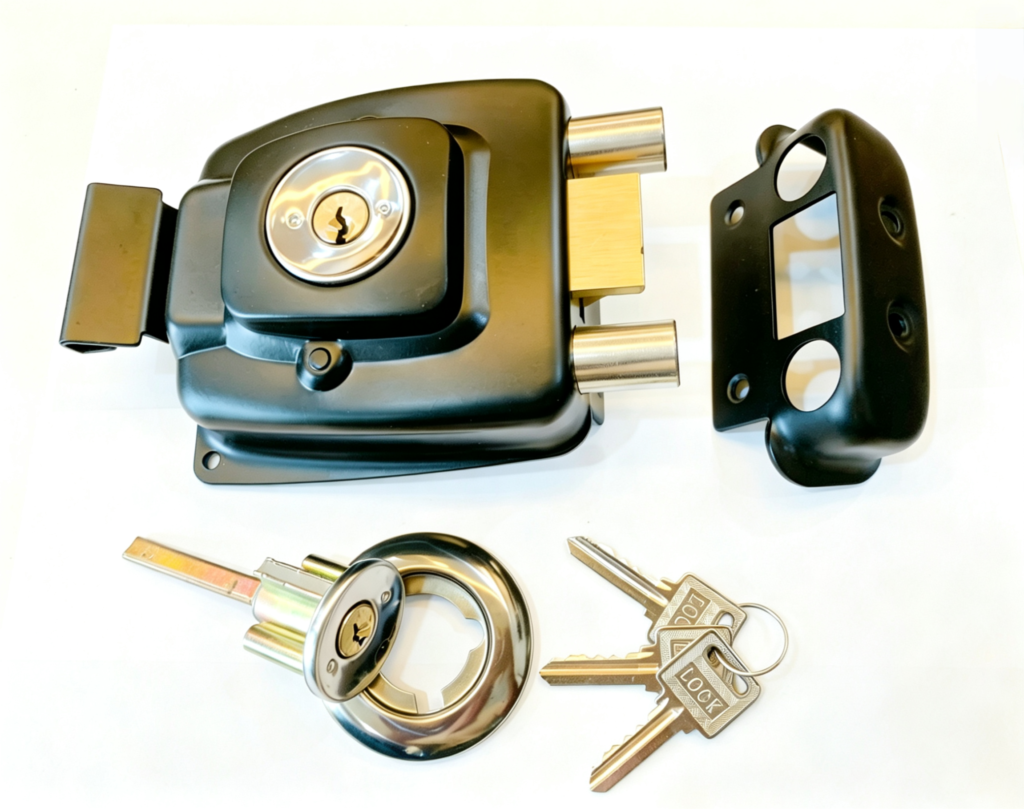
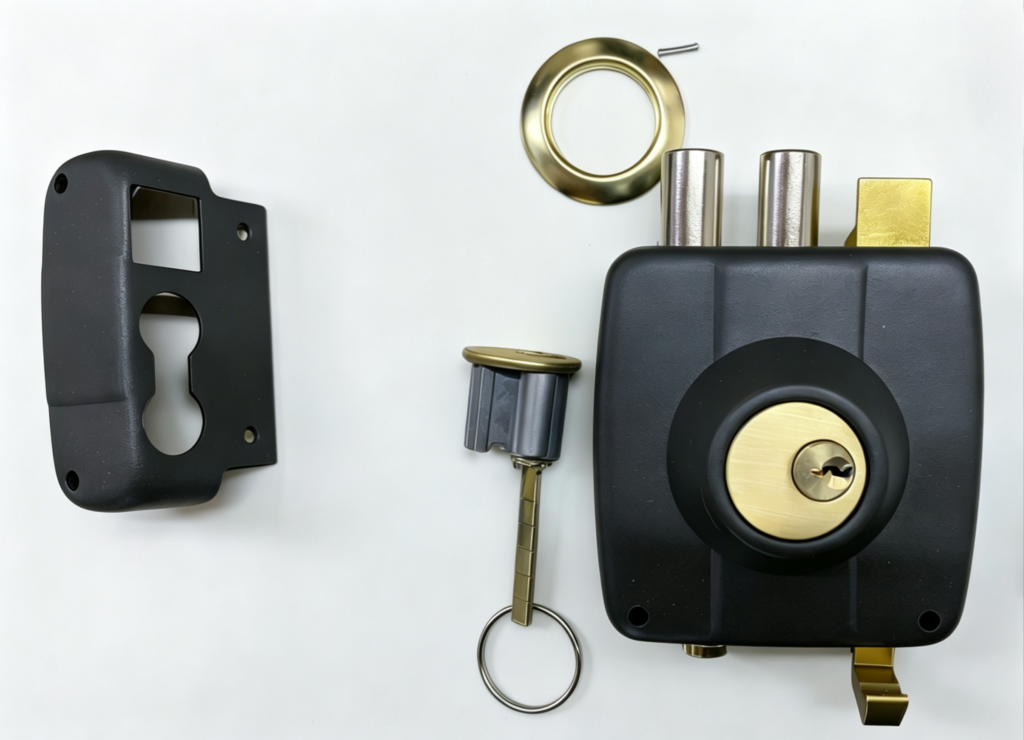
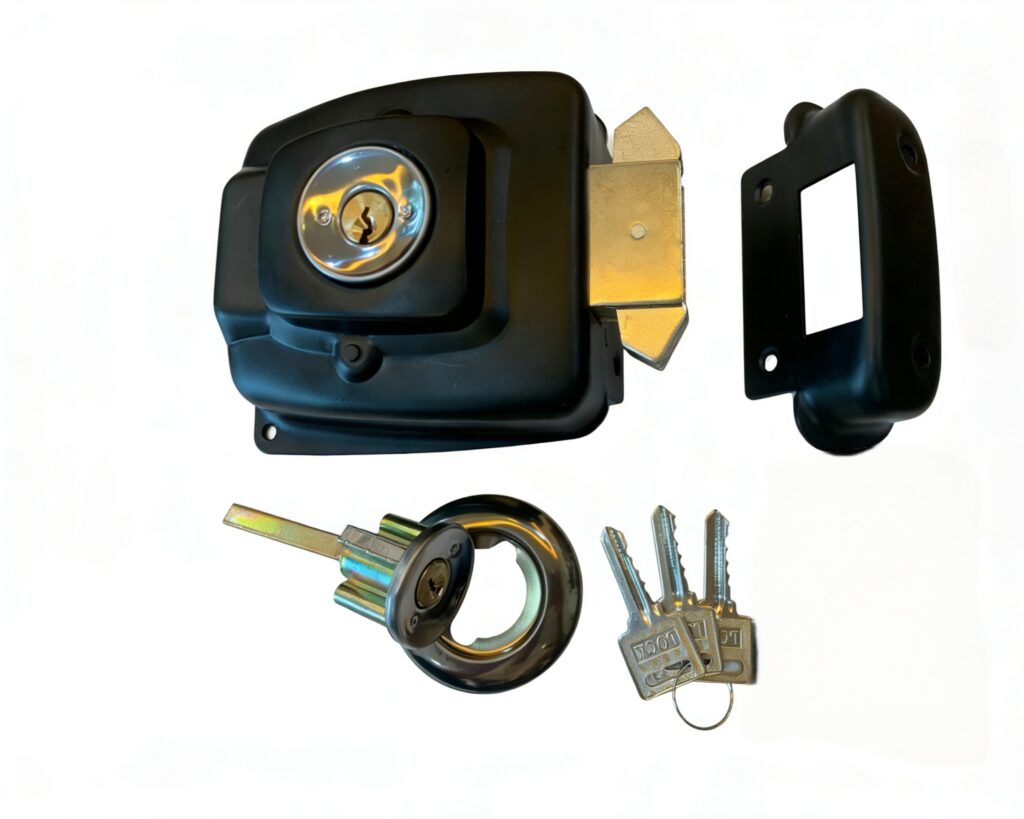
If a lock is supplied with screws, strike plates, cylinders, mounting components, or other accessories, these items should be confirmed together with the main product.
A door lock order is not only about the lock body.
It is a complete set of components that must eventually arrive at the buyer ready for installation or distribution.
The Most Expensive Problem Is Sometimes Not the Material
When buyers think about the cost of changing a production order, they often focus on material waste.
Material waste is certainly one factor.
But it is not always the biggest one.
There can also be:
Rework cost
Parts may need to be processed again.
Labor cost
Workers may need to disassemble, replace, inspect, and reassemble products.
Packaging cost
Previously prepared packaging may no longer be usable.
Production scheduling cost
The factory may need to interrupt or rearrange an existing production plan.
Delivery impact
Additional work can push the order toward the original shipping deadline.
For an overseas buyer, the final consequence can be much larger than the cost of a few components.
If the goods are required for a building project, distributor launch, or container shipment, even a small production delay can create problems further down the supply chain.
Experienced Buyers Try to Freeze the Specification
This is one reason experienced importers often use a simple principle:
Confirm first. Produce second. Change only when necessary.
Once the technical specification, sample, finish, packaging and other important details have been confirmed, the order should ideally enter a “specification freeze” stage.
This does not mean a buyer can never make a change.
Business conditions change.
Project requirements change.
Sometimes a modification is genuinely necessary.
The point is to understand that a change made after production starts should be treated as a new production decision, not as a casual correction to an email.
The earlier the factory knows about the change, the more options there usually are.
What Should Buyers Confirm Before Giving the Production Go-Ahead?
For overseas B2B door hardware orders, I recommend confirming the following information before production starts:
- Product model
Make sure the exact model or SKU is confirmed.
Similar-looking door locks can have different internal structures or specifications.
- Material
Confirm the main material and any important component materials.
- Door thickness
Do not assume that one lock fits every door.
Confirm the intended door thickness range.
- Backset
Backset is especially important because it directly relates to installation.
- Finish
Confirm the exact finish and, for important projects, approve a physical sample.
- Key and cylinder requirements
Confirm key type, quantity and cylinder-related requirements where applicable.
- Accessories
Confirm screws, strike plates and other included components.
- Packaging
Confirm individual packaging, carton quantity, labels, markings and any OEM requirements.
- Quantity
Make sure the final quantity is clear before material preparation begins.
- Delivery requirements
If the order is connected to a specific project schedule, communicate the required shipping date clearly.
These details do not make the purchasing process slower.
In many cases, they make the process faster because fewer corrections are needed later.
A Good Supplier Should Not Simply Say “Yes” to Every Change
There is also an important point from the supplier’s side.
When a buyer asks for a change after production has started, a responsible manufacturer should first check what stage the order has reached.
The correct response is not always simply:
“Okay, no problem.”
The factory should check:
- Has material already been purchased?
- Have components already been produced?
- Has surface finishing started?
- Has assembly started?
- Has packaging already been prepared?
- Will the change affect the delivery schedule?
- Will there be additional costs?
This kind of production control is also important when preventing quality problems before shipment.
Only after checking these points can both sides make a sensible decision.
This is better for the buyer as well.
A supplier that immediately agrees to every change without checking the production situation may create a bigger problem later.
The Best B2B Orders Are Usually Decided Before the Factory Starts
From the outside, door lock manufacturing can look relatively simple.
In practice, a bulk order is a chain of connected decisions.
One specification can influence another.
One component can affect assembly.
One packaging change can affect the delivery schedule.
That is why experienced buyers spend more time confirming the order before production than they do correcting the order after production has started.
The goal is not to prevent every change.
The goal is to prevent avoidable changes.
For overseas B2B buyers, this can mean fewer production interruptions, clearer communication, better delivery control and a smoother purchasing process.
And from a manufacturer’s perspective, the ideal order is not necessarily the order with the highest quantity.
It is the order where both sides clearly understand what is being produced before the production line starts.
Final Thoughts
A door lock order can contain hundreds or thousands of individual pieces, but the problems often begin with one small sentence in an email:
“Can we change this specification?”
If production has not started, the answer may be easy.
If production is already underway, the answer depends on what has already been purchased, produced, finished, assembled and packed.
That is why specification confirmation is not just administrative work.
It is part of production control.
For buyers importing door hardware from China, taking a little more time to confirm the details before production can often save much more time and money later.
Contact Shengzhao Hardware
If you are sourcing door locks or door hardware for distribution, wholesale, OEM orders or building projects, you are welcome to contact us for product specifications, samples and bulk order discussions.
Shengzhao Hardware
Website: www.shengzhao-hardware.com
WhatsApp / WeChat: +8613144755830
Email: service@shengzhao-hardware.com