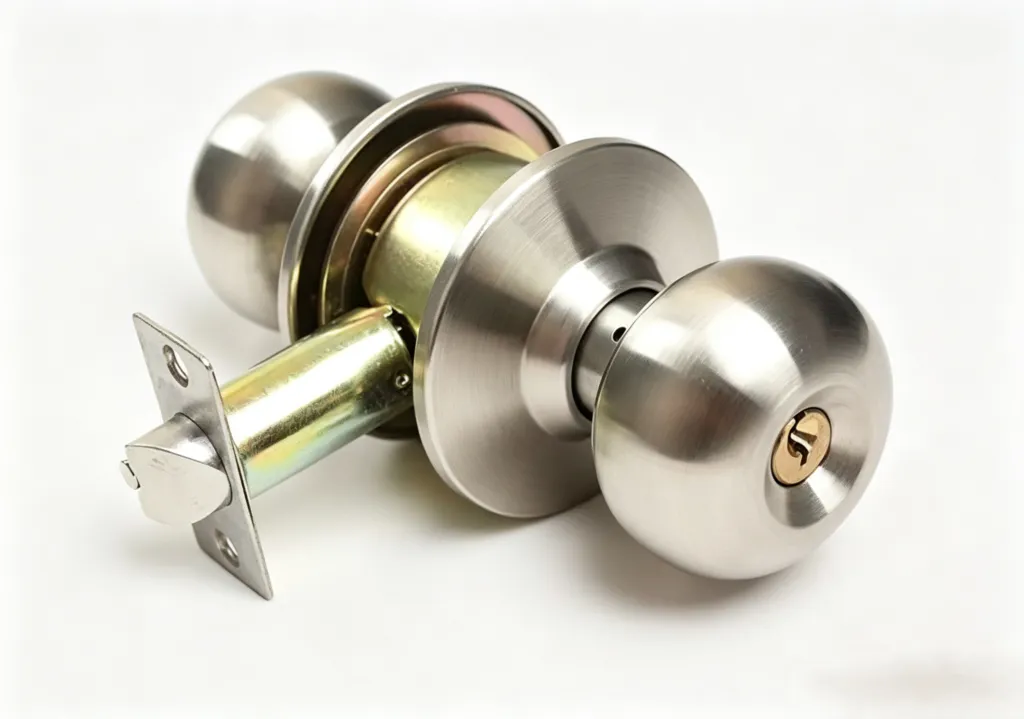
Choosing the right door lock material for B2B projects is not as simple as selecting stainless steel, brass, or zinc alloy.
This is something we have seen many times when working with overseas buyers.
A buyer may say, “We want stainless steel because it is better.”
That sounds reasonable.
But before confirming the order, an experienced supplier will usually ask a few more questions.
Where will the lock be installed?
How often will the door be used?
What type of door is it?
What backset is required?
And what does the project actually expect from the hardware?
Because the best material on paper is not always the best choice for a particular project.
Material Is Only One Part of the Decision
When buyers compare door lock materials, they often focus on the material itself.
Brass sounds premium.
Stainless steel sounds durable.
Zinc alloy can offer more design flexibility and cost control.
These characteristics are useful, but they do not tell the whole story.
Each material has its own characteristics, but comparing the materials themselves is only the first step. For a detailed comparison of brass, stainless steel and zinc alloy, see our guide to [door lock materials].
A door lock is a complete working product.
Its material needs to work together with the door type, installation requirements, operating frequency, environment, finish and target budget.
For B2B orders, this matters even more because a small specification mistake can affect hundreds or thousands of locks.
We discussed the basic differences between brass, stainless steel and zinc alloy in our previous article:
[Internal Link: Door Lock Materials: Brass vs. Stainless Steel vs. Zinc Alloy – Which is Best for Your Project?]
The next question is not simply “Which material is better?”
It is:
“Which material is suitable for this particular project?”
The Same Material Can Make Sense in One Project — But Not Another
Imagine two projects.
Project A is a group of interior residential doors with normal usage.
Project B is a commercial building where some doors will be opened and closed much more frequently.
The buyer may initially ask for the same material for both projects.
But an experienced supplier should look at the application before simply confirming the specification.
The operating environment, expected usage and project requirements may lead to different product recommendations.This is also why similar-looking door locks can have very different long-term performance in real overseas projects.
This is one reason experienced importers usually provide more information than just a product photo when asking for a quotation.
They understand that the lock has to work in the real project, not just look good in a catalog.
Don’t Forget the Backset
Material and backset are two different specifications, but both can affect whether a lock is suitable for the project.
For example, a buyer can select the correct material and finish but discover later that the backset does not match the existing door preparation.
The problem is not the material.
The problem is that the complete specification was not confirmed.
For bulk orders, this can become expensive.
Before placing a bulk order, buyers should understand exactly how backset affects installation requirements. Our guide to [60mm vs. 70mm door lock backset] explains the key points buyers should confirm before ordering.
Changing a specification before production is one thing.
Discovering after production or installation that the lock does not fit the intended doors is completely different.
That is why we recommend confirming the backset, door thickness and installation requirements before finalizing the order.
For a more detailed explanation of backset selection, see:
[Internal Link: 60mm vs. 70mm Door Lock Backset: What B2B Buyers Need to Confirm Before Ordering]
Finish Is Not the Same as Base Material
Another point that sometimes causes confusion is the relationship between material and finish.
A product’s surface appearance does not necessarily tell you what the main body or internal components are made from.
For example, two locks may look similar in a product photo while having different base materials or construction details.
For B2B buyers, this is important when comparing quotations from different suppliers.
Instead of asking only:
“What finish is this?”
also ask:
“What is the base material?”
and, when necessary:
“Which components use this material?”
This can make supplier comparisons much more meaningful.
What Experienced B2B Buyers Usually Confirm
Before placing a bulk door lock order, we suggest confirming at least these points:
●Door type and application
●Door thickness
●Required backset
●Main material
●Important component materials
●Surface finish
●Expected usage frequency
●Installation requirements
●Quantity
●Packaging requirements
●Target market or project requirements
For B2B buyers, these details can be more important than simply comparing the lowest quotation. We also discussed why complete door lock specifications matter more than price when purchasing in bulk.
Not every project needs the most expensive option.
The important thing is to avoid paying for specifications that are unnecessary — while also avoiding specifications that are too weak for the actual application.
That balance is where supplier experience becomes valuable.
What Should a Factory Ask Before Quoting?
From the factory side, we believe a good supplier should not simply send a price after receiving a product picture.
For a serious B2B order, we prefer to understand the application first.
A few additional questions at the beginning can prevent much bigger problems later.
For example:
What type of doors will use the locks?
What backset and door thickness are required?
Is the project residential, commercial or another application?
Will the locks be used frequently?
Is there a specific finish or material requirement?
These questions may make the quotation process slightly slower.
But they can make the final order much safer.
The same principle applies when comparing tubular door locks: size alone does not always tell buyers how a product will perform or feel in actual use.
The Real Question Is Not “Which Material Is Best?”
For B2B buyers, the better question is:
“Which door lock material is right for this project?”
That small change in thinking can make a big difference.
A suitable door lock is not selected by material alone.
It is selected by matching the material with the application, door preparation, backset, environment, usage and project requirements.
This is also why we believe a good door lock supplier should do more than provide a low price.
The supplier should help the buyer confirm whether the product specification actually makes sense before production begins.
At Shengzhao Hardware, we work with overseas buyers on mechanical door locks and door hardware for bulk, distribution and project orders.
If you are sourcing door locks from China and already know the application, door thickness, backset and target quantity, you can send us your requirements for discussion.
Shengzhao Hardware
Website: www.shengzhao-hardware.com
WhatsApp / WeChat: +8613144755830
Email: service@shengzhao-hardware.com
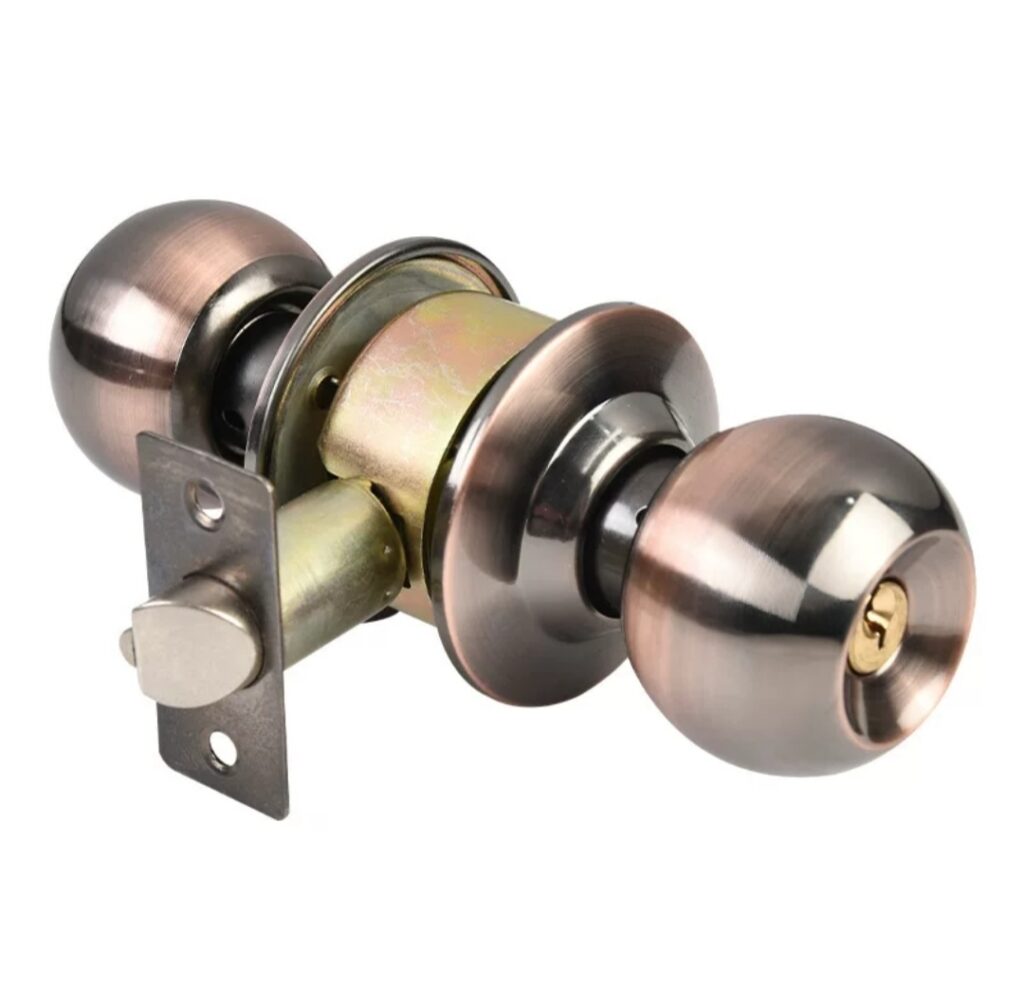
587AC-ET cylindrical knob lock